

Student-led Galway hackathon puts Ireland’s next generation of innovators to work on real city challenges.

Nigel Moran
Marketing & Communications | PorterShed
Young people from across Ireland came together at PorterShed in Galway for FutureHack, a student-led hackathon challenging 13 to 19-year-olds to develop practical ideas for making Galway a better place to live.
Created by student group Innovation Ireland and led by Jonathan McPhiblin and Lukas Lydon, FutureHack was designed by students for students, providing young people with an opportunity to move beyond classroom learning and spend a day identifying problems, developing solutions, working with mentors and pitching their ideas.
Over 80 students took part, travelling from across Ireland, reflecting a strong appetite for opportunities to explore technology, STEM and entrepreneurship through practical problem-solving. For many participants, the hackathon also came at a significant moment, as they took on the challenge while awaiting their Leaving Certificate results.
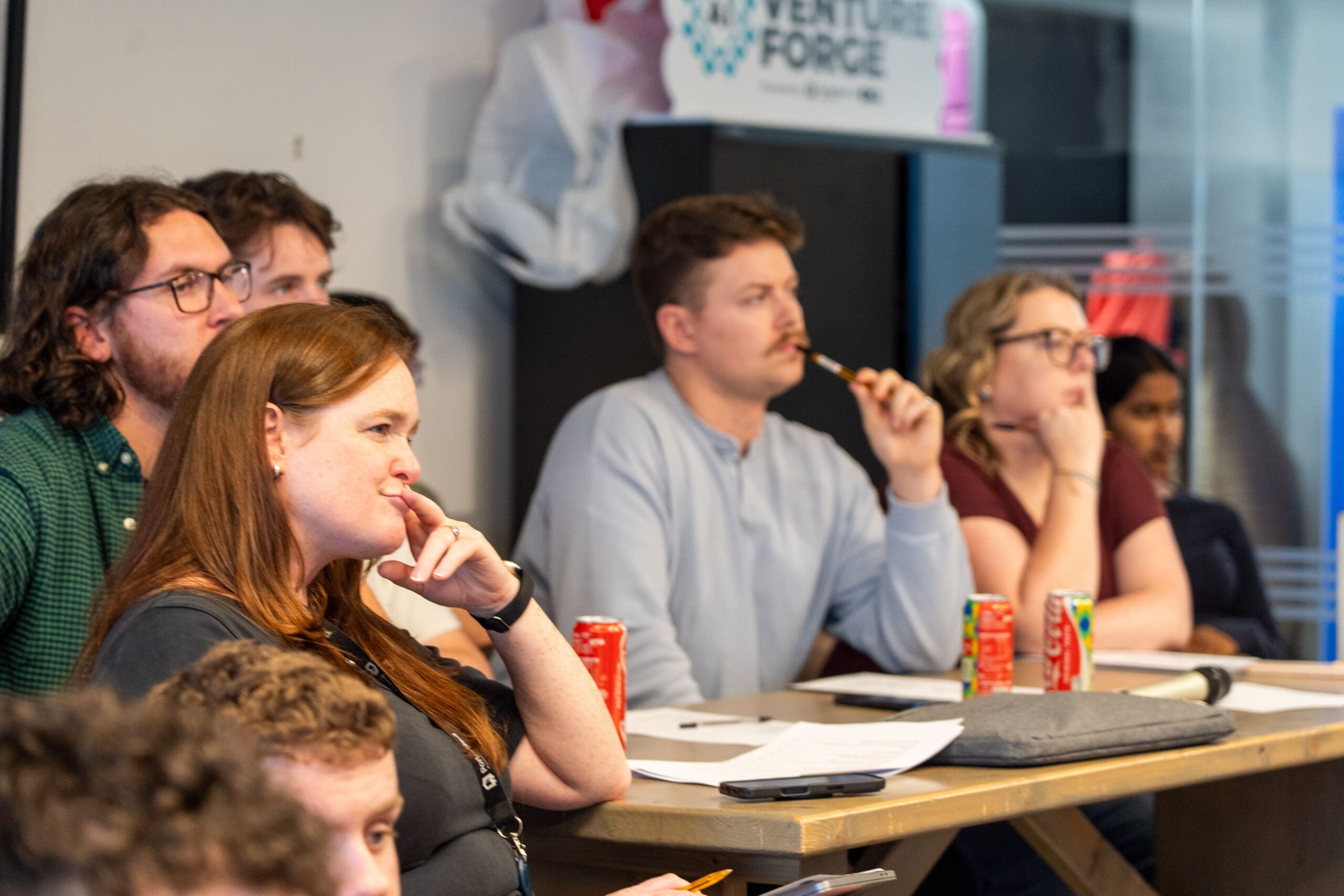
The students were asked to consider real challenges facing Galway, with areas including sustainability, traffic, security, infrastructure and planning forming part of the day. Teams developed their ideas through workshops and mentor sessions before presenting their final pitches to a judging panel.
The programme combined technical and creative problem-solving with skills that participants would need to turn an initial idea into a proposition they could communicate clearly. Aisling Burke from University of Galway IdeasLab worked with students on approaching problems from new perspectives, while the PorterShed Programmes Team, Dushyant Singh and Rosemary Gallagher helped teams structure and prepare their final pitches.
The winning team focused on how data could support better planning for Galway’s future development. Their concept used trends, graphs and a heat-map-style visualisation to identify areas experiencing high levels of activity and highlight where additional infrastructure or development could be required in the future.
As part of their research, the students contacted local councillors to gather perspectives on the city’s needs and incorporated that thinking into their approach.
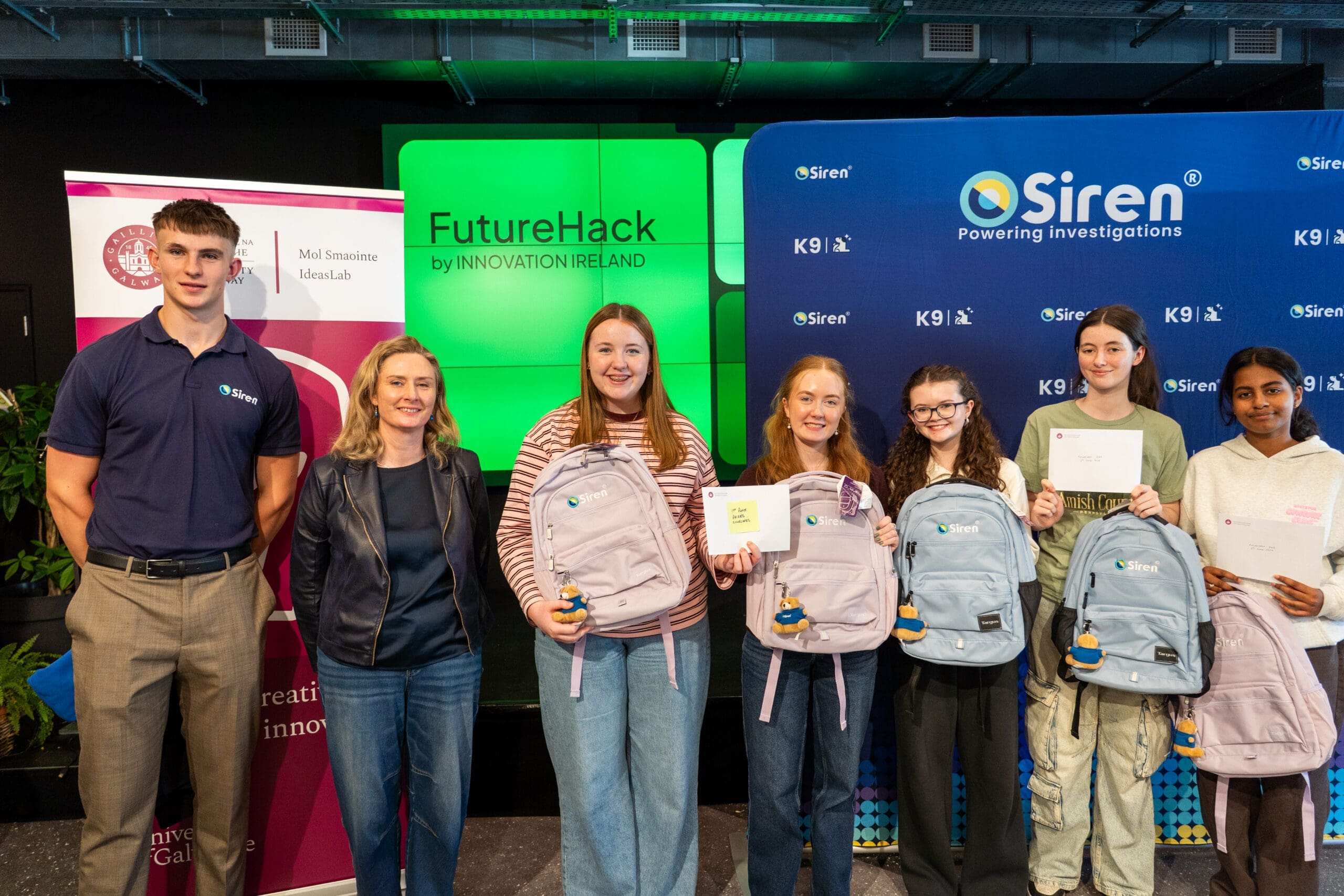
FutureHack was supported by principal sponsors Siren, University of Galway IdeasLab and PorterShed. Their support helped create an environment in which students could work directly with people involved in technology and innovation rather than developing their ideas in isolation.
Mentors and judges also included Patrick Byrne of Annora, Gavin Doyle of Examinite, Alex O’Mahony of Ulysses,
The student-led nature of FutureHack is significant beyond the projects produced on the day. Young people did not simply participate in an innovation programme designed for them. They took the initiative to create one, bring peers together from around the country and connect them with founders, mentors, educators and technology professionals.
For Ireland’s startup and technology ecosystem, events such as FutureHack offer an early opportunity to connect emerging talent with the people, skills and environments that can help develop it. Creating more opportunities for young people to build, experiment and solve real problems can strengthen the pathway from an early interest in STEM and entrepreneurship to Ireland’s future generation of founders, technologists, researchers and creators.